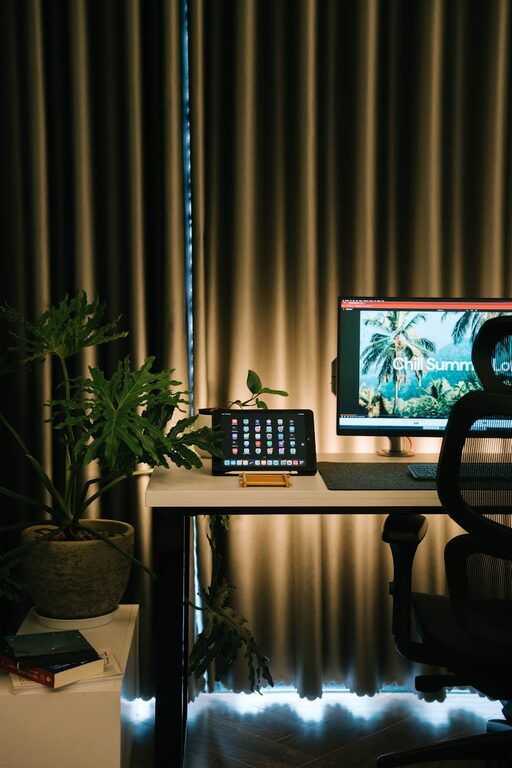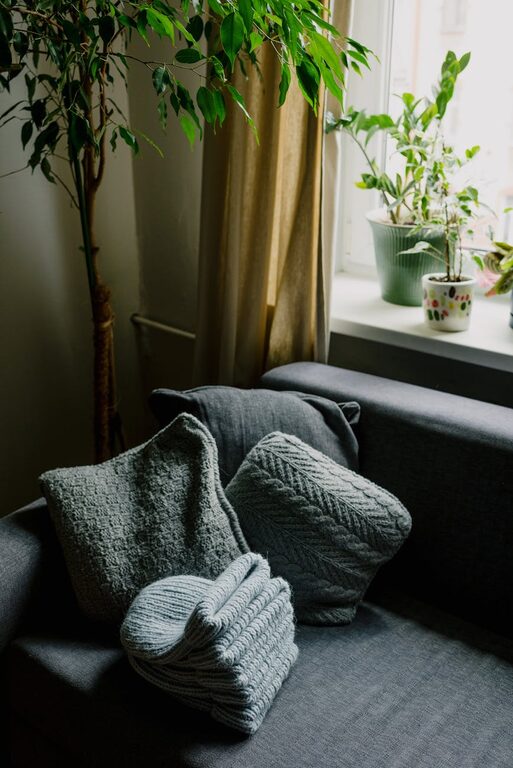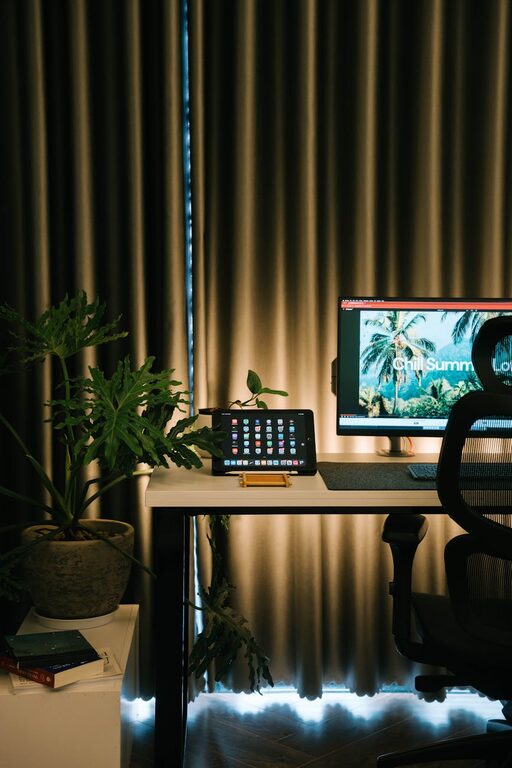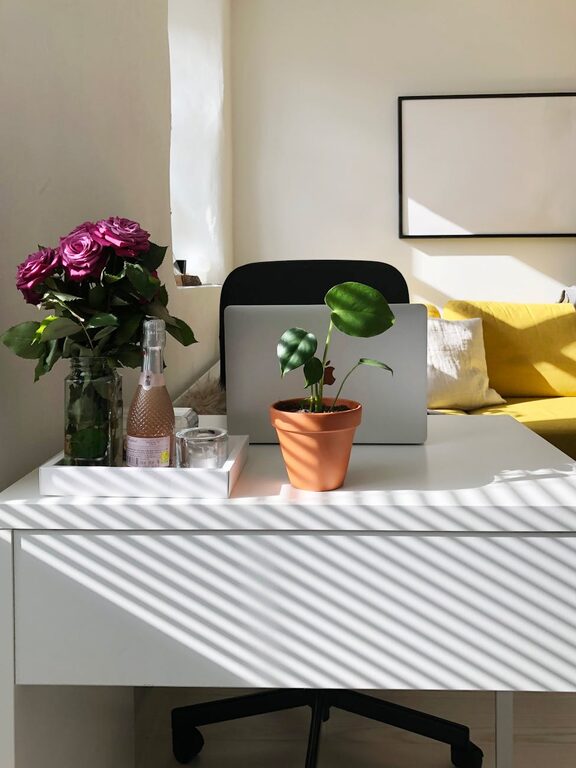







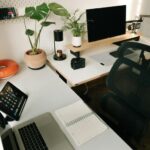
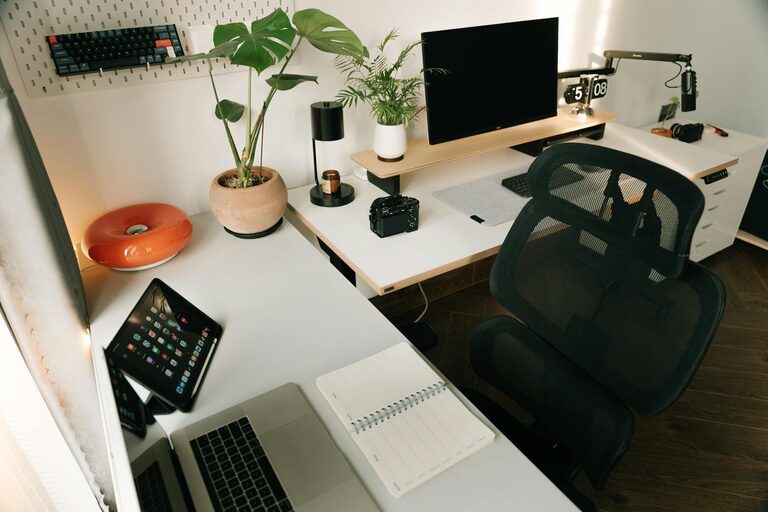
Creating a comfortable and productive home office is essential for anyone working remotely or managing tasks from home. A well-designed workspace not only enhances focus but also promotes well-being throughout the workday. Whether you have a dedicated room or a small corner in your living space, there are several ways to transform it into a functional and inviting home office.
Choose the Right Location
Selecting the ideal spot for your home office sets the foundation for your work environment.
– Privacy Matters: Find a quiet area away from household traffic to minimize distractions.
– Natural Light: Aim for a space with windows to take advantage of daylight, which can improve mood and reduce eye strain.
– Ventilation: Good airflow helps keep the space fresh and comfortable.
If space is limited, use room dividers or curtains to separate your office nook from the rest of your home.
Invest in Ergonomic Furniture
Comfortable furniture supports good posture and reduces the risk of discomfort or injury during long hours.
– Chair: Choose an adjustable chair with lumbar support to support your back.
– Desk: A desk at the right height allows your forearms to rest parallel to the floor.
– Footrest: Use a footrest if your feet don’t comfortably reach the floor.
– Monitor Placement: Position your computer screen at eye level to prevent neck strain.
An ergonomic workspace encourages better focus and reduces fatigue.
Organize for Efficiency
A clutter-free environment enhances productivity.
– Storage Solutions: Use shelves, drawers, or filing cabinets to keep paperwork and supplies organized.
– Desk Accessories: Keep essentials within reach but avoid overcrowding your workspace.
– Cable Management: Use clips or sleeves to tidy up cables and prevent tangling.
Regularly declutter to maintain a clean workspace that helps you stay on task.
Optimize Lighting
Proper lighting reduces eye strain and creates a welcoming atmosphere.
– Layered Lighting: Combine ambient light, task lighting, and natural light.
– Desk Lamp: Use adjustable desk lamps to focus light where needed.
– Avoid Glare: Position screens and lights to prevent reflections.
Consider bulbs with a color temperature between 4000K and 5000K for a bright, neutral light conducive to work.
Add Personal Touches
A personalized space can boost motivation and comfort.
– Plants: Incorporate indoor plants to improve air quality and add a touch of nature.
– Artwork: Hang inspiring prints or photos that make you feel positive.
– Comfort Items: Include cushions, cozy blankets, or a small rug for warmth.
Personal touches can make your office feel inviting while maintaining professionalism.
Manage Noise Levels
Noise distractions can disrupt concentration, so consider these options.
– Noise-Cancelling Headphones: Useful for blocking out household sounds.
– Soundproofing: Add rugs, curtains, or foam panels to absorb noise.
– Background Music: Soft instrumental music may help some people focus better.
Experiment to find what noise management methods work best for you.
Maintain a Healthy Routine
Your environment is only part of productivity; your habits matter too.
– Regular Breaks: Follow the 20-20-20 rule—every 20 minutes, look 20 feet away for 20 seconds.
– Stretching: Take time to stretch or walk around to reduce muscle tension.
– Hydration and Snacks: Keep water and healthy snacks nearby.
A balanced routine complements your workspace to keep you energized and focused.
Use Technology Wisely
Make sure your technology supports your workflow effectively.
– Reliable Internet: Ensure a stable connection to avoid interruptions.
– Tools and Apps: Use calendars, task managers, and communication apps to stay organized.
– Backup Systems: Regularly backup important files to prevent data loss.
Staying up-to-date with your technology reduces frustration and improves efficiency.
Maintain Work-Life Balance
Avoid letting work take over your home space completely.
– Set Boundaries: Define clear work hours and stick to them.
– Separate Spaces: If possible, close the door or pack away work items after hours.
– Transition Rituals: Develop routines that signal the start and end of your workday.
Separating your home office life from personal time helps reduce stress and prevent burnout.
—
Creating a comfortable and productive home office environment is about thoughtful planning and regular adjustments. By considering ergonomics, organization, lighting, noise control, and personal comfort, you can build a workspace that supports your best work every day. Remember, a home office should work for you—don’t hesitate to make changes as your needs evolve.