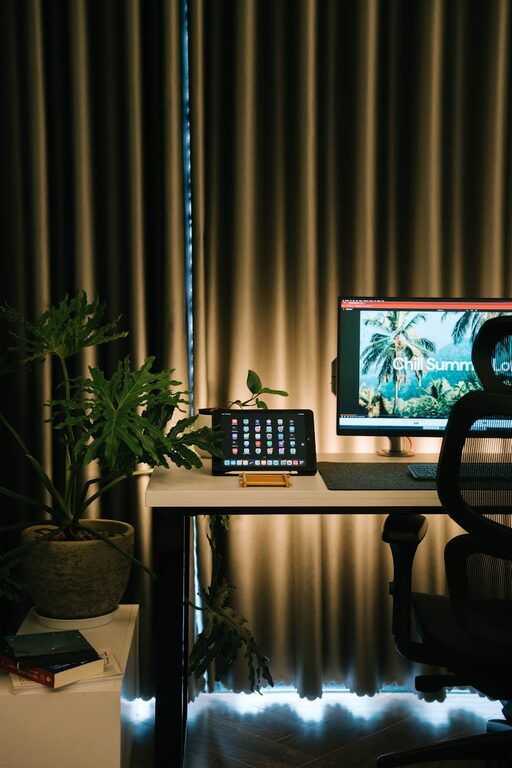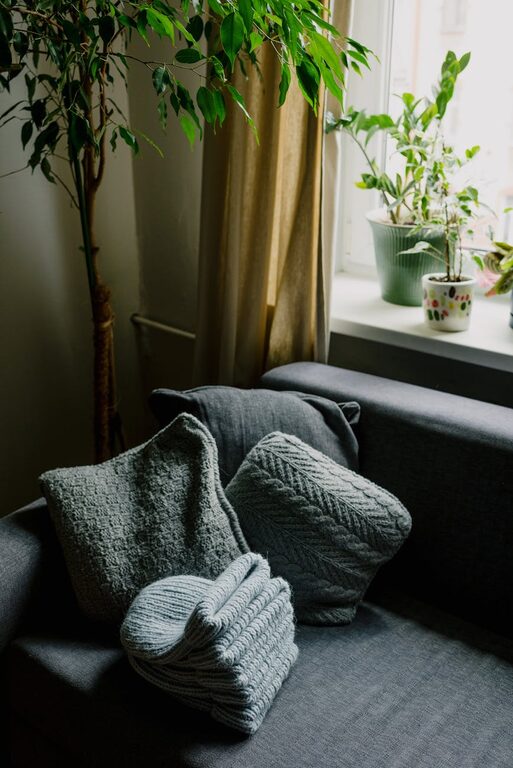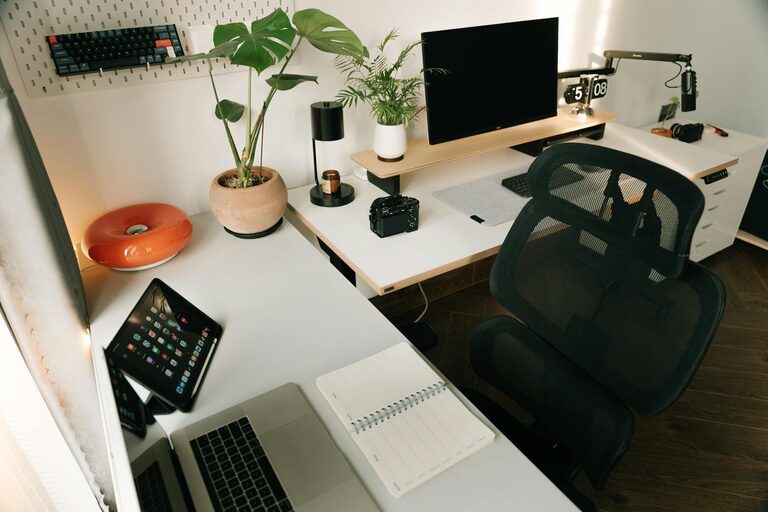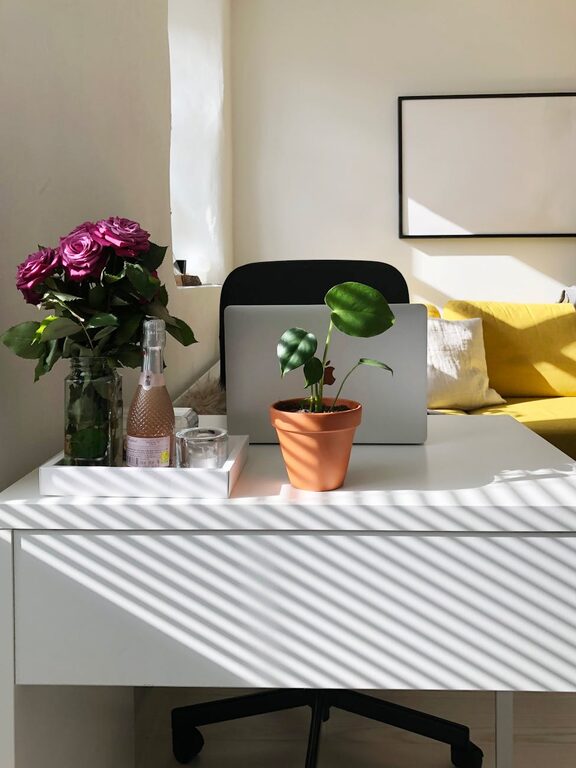

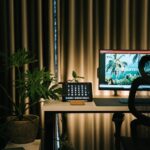




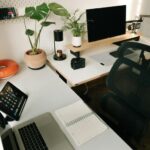
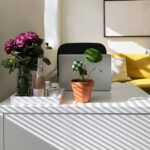
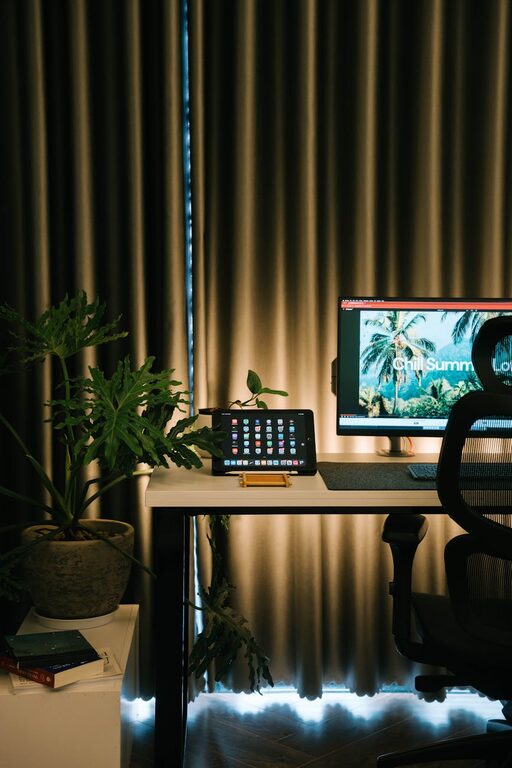
Creating a cozy and functional home office space can significantly improve your work routine, especially if you spend many hours working from home. A well-designed office boosts productivity, reduces stress, and makes your day more enjoyable. Whether you have a dedicated room or just a corner in your living space, these tips will help you create an environment that feels inviting and supports your workflow.
Choose the Right Location
Selecting the right spot for your home office is the foundation of comfort and function.
– Natural Light: Try to position your desk near a window. Natural light enhances mood and reduces eye strain.
– Quiet Space: Pick a quiet corner or room where you can focus without distractions.
– Accessibility: Make sure your office is easily accessible but separated enough to maintain work-life balance.
Invest in Comfortable Seating
Your chair is one of the most important pieces of furniture in your home office.
– Ergonomic Design: Look for a chair that supports good posture with adjustable height and back support.
– Cushioning: Choose well-padded seats to stay comfortable during long work sessions.
– Mobility: Chairs with wheels allow you to move easily and reach different areas without strain.
Organize Your Workspace Efficiently
A clutter-free desk helps your mind stay clear and focused.
– Desk Size: Select a desk big enough to hold your computer, notepad, and any essential items.
– Storage Solutions: Use drawers, shelves, or filing cabinets to keep papers and supplies organized but out of sight.
– Cable Management: Use clips or cable boxes to prevent cords from tangling and cluttering your space.
Add Personal and Cozy Touches
Making your space reflect your personality can make work feel less like a chore.
– Soft Textiles: Add a small rug, cushions, or a cozy throw on your chair.
– Plants: Greenery improves air quality and adds color, reducing stress.
– Artwork and Photos: Decorate walls with prints or photos that inspire and motivate you.
Optimize Lighting for Comfort and Productivity
Good lighting reduces eye fatigue and maintains energy.
– Task Lighting: Use adjustable desk lamps to focus light on your work area.
– Ambient Lighting: Combine natural light with warm ambient lamps for a relaxed atmosphere.
– Avoid Glare: Position screens and lamps to minimize reflections and glare.
Prioritize Technology and Tools
Having the right tools makes work smoother and more enjoyable.
– Reliable Equipment: Invest in a good computer, keyboard, mouse, and high-speed internet connection.
– Noise Control: Consider noise-canceling headphones if background noise is an issue.
– Printable Stationery: Keep basic office supplies like pens, sticky notes, and a planner within easy reach.
Maintain Work-Life Balance
Keeping your home office separate from personal areas helps create boundaries.
– Dedicated Work Hours: Set specific times to start and end work to avoid burnout.
– Routine Breaks: Incorporate short breaks to stretch, walk, or relax your eyes.
– End-of-Day Ritual: Develop a habit that signals the end of work, such as shutting your laptop or tidying your desk.
Keep It Adaptable for Future Needs
Over time, your workspace needs may change.
– Flexible Furniture: Choose pieces that can be easily rearranged or repurposed.
– Additional Seating: Have extra chairs for meetings or collaborative work.
– Tech Upgrades: Plan space and power sources for new gadgets or devices.
—
Creating a home office that is both cozy and functional doesn’t require a huge budget or a lot of space. With thoughtful planning and attention to your personal preferences, you can make a workspace that inspires productivity while feeling warm and inviting. Start with the basics and gradually add elements that make your office uniquely yours.