








Creating a relaxing home office space can make a big difference in your daily work experience. Whether you’re working remotely full-time or just need a spot to manage personal tasks, a well-designed office can boost both your productivity and comfort. In this post, we’ll share practical tips to help you transform your workspace into a calm and efficient environment.
Why a Relaxing Home Office Matters
Working from home offers flexibility, but it can also introduce distractions and stress. A dedicated, soothing workspace helps you stay focused, reduce fatigue, and maintain a healthier work-life balance. When you’re comfortable and relaxed, your creativity and efficiency often improve.
Choose the Right Location
Pick a Quiet Spot
Select a part of your home with minimal noise and foot traffic. A quiet area helps minimize interruptions and fosters concentration. If a separate room isn’t available, consider using room dividers or noise-canceling headphones.
Consider Natural Light
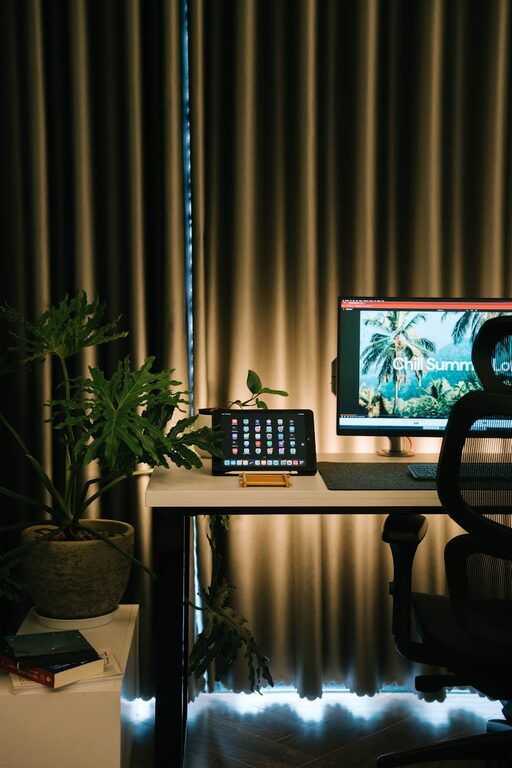
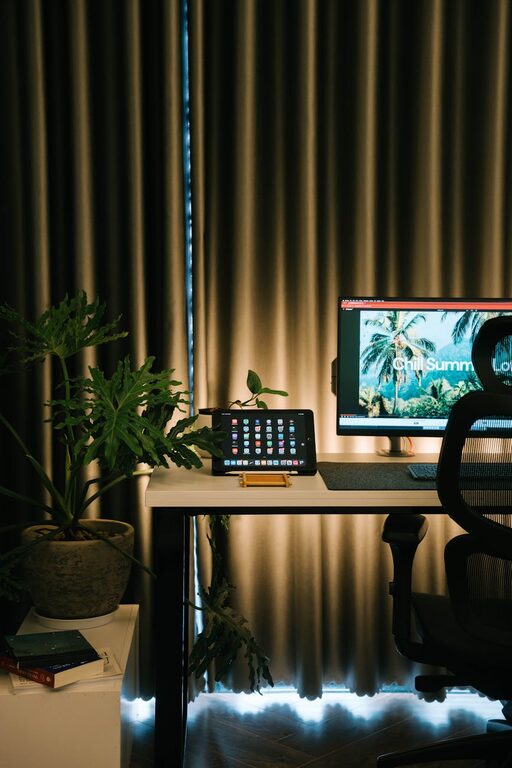
Natural light can boost your mood and energy levels. Set up your desk near a window if possible, but make sure to avoid glare on your computer screen. Use light, sheer curtains to diffuse sunlight gently.
Invest in Comfortable Furniture
Supportive Chair
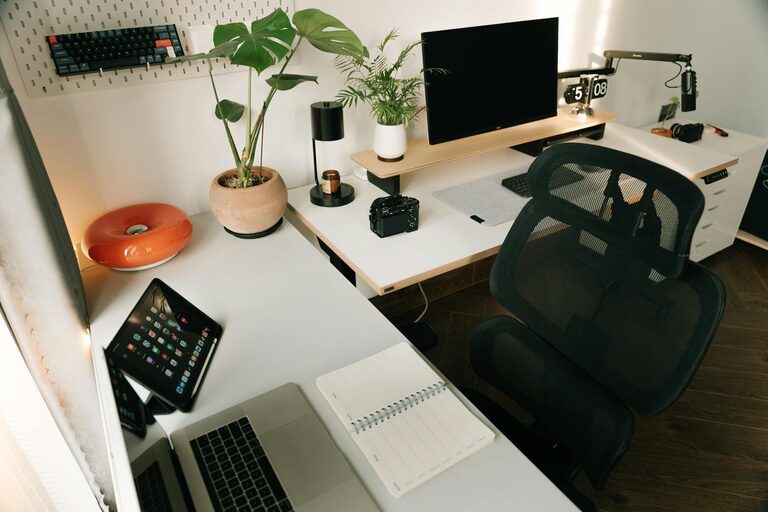
A good chair is essential for comfort, especially if you spend long hours sitting. Look for adjustable chairs with lumbar support to protect your back.
Functional Desk
Choose a desk with enough surface area for your computer, supplies, and work materials. If space is limited, consider wall-mounted desks or compact designs.
Organize for Efficiency and Calm
Declutter Your Space
Keep only essential items on your desk. Clutter can cause distractions and stress. Use storage boxes or drawers to keep supplies organized and out of sight.
Use Shelving and Organizers
Vertical shelving saves space and keeps frequently used items within reach. Desk organizers help keep pens, notebooks, and cables neat.
Personalize Without Overdoing It
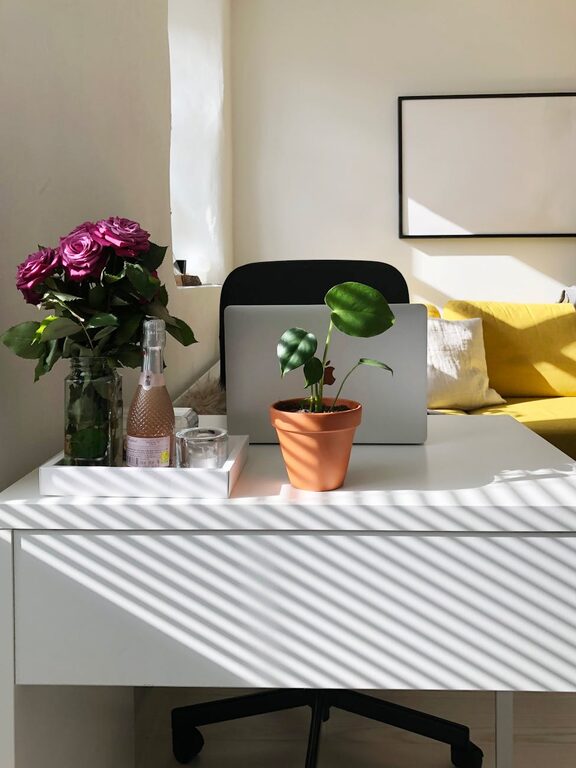
Adding personal touches can make your workspace more inviting and relaxing. Display a few photos, artwork, or plants, but avoid overcrowding. Choose items that inspire and calm you.
Incorporate Soothing Colors and Textures
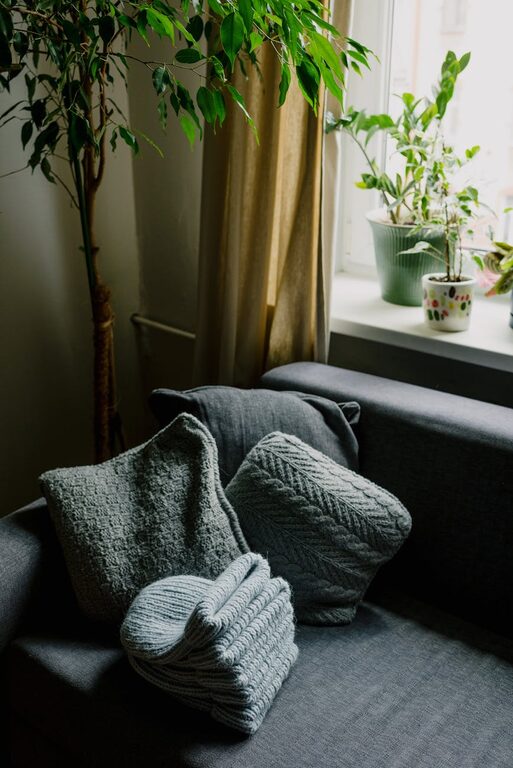
Soft, neutral colors like blues, greens, or warm pastels can create a peaceful atmosphere. Use cushions, rugs, or curtains with calming textures to add warmth and softness.
Manage Lighting Effectively
In addition to natural light, ensure your office has good artificial lighting. Use adjustable desk lamps to reduce eye strain during evening hours. Warm light bulbs create a cozy ambiance.
Bring Nature Indoors
Indoor plants improve air quality and add life to your workspace. Choose easy-to-care-for plants such as succulents, snake plants, or pothos. Even a small vase of fresh flowers can lift your mood.
Set Up Technology Thoughtfully
Keep cables organized to avoid clutter. Use wireless devices when possible to reduce tangle and free up desk space. Position your monitor at eye level to maintain good posture.
Create a Routine and Boundaries
Your environment should support your work habits. Use your relaxing office as a space solely for work to help your mind switch into focus mode. Set clear work hours to maintain a healthy separation between work and personal life.
Add Relaxation Elements
Consider including things like a small diffuser with calming essential oils, noise-canceling headphones, or a comfortable cushion. These elements can help you stay relaxed during breaks and reduce stress.
Keep It Flexible
Your needs might change over time. Choose modular or movable furniture so you can adjust your setup as you find what works best.
—
By thoughtfully designing a relaxing home office, you can create a space that supports your productivity while keeping comfort and well-being a priority. Small changes in lighting, organization, and décor can transform your workspace into a personal haven where you enjoy working every day.